









The fashion industry produces over 100 billion garments every year. That's roughly 13 items of clothing for every person on the planet — most of which will end up in a landfill within 12 months. If that number feels uncomfortable, it should. Because behind every cheap T-shirt and trend-of-the-week sneaker, there's a system designed to make you buy more, care less, and never ask questions.
Slow fashion is the antidote. And in 2026, it's no longer a niche concept whispered among eco-activists — it's one of the most important shifts happening across the entire industry. Here's everything you need to know: what slow fashion actually means, why it matters more than ever right now, and how to tell the difference between brands that truly live by these values and those that are simply wearing sustainability as a marketing costume.
What Is Slow Fashion, Exactly?
Slow fashion is a design philosophy, a production approach, and a consumer mindset all rolled into one. The term was coined by sustainability consultant Kate Fletcher in 2007, as a direct response to the rise of fast fashion — the model popularised by brands like Zara, H&M and Shein, which churn out new collections every few weeks at rock-bottom prices.
Where fast fashion asks "how quickly can we get this to market?", slow fashion asks a different question: "how long can this last?"
Slow fashion is built on a few core principles:
- Quality over quantity — fewer pieces made to last for years, not seasons.
- Ethical production — fair wages, safe working conditions, and transparent supply chains.
- Sustainable materials — natural, recycled, or upcycled inputs that minimise environmental damage.
- Local manufacturing — reducing carbon emissions from global transport and keeping economic value in local communities.
- Timeless design — creating pieces that don't go out of style in three months.
In practice, slow fashion brands produce smaller collections, invest in better materials and craftsmanship, and charge prices that reflect the true cost of responsible production — rather than externalising that cost onto workers, communities, or the environment.
Fast Fashion vs Slow Fashion: The Numbers Don't Lie
To understand why slow fashion matters, you need to understand the scale of what fast fashion has created. The global fashion industry is responsible for roughly 10% of annual carbon emissions worldwide — more than international aviation and shipping combined. It's the second-largest consumer of water on the planet. And it generates approximately 92 million tonnes of textile waste every single year.
Here's what that looks like in practice:
- A single pair of conventional jeans requires around 7,500 litres of water to produce — enough for one person to drink for seven years.
- The average consumer now buys 60% more clothing than 15 years ago and keeps each item for half as long.
- Less than 1% of clothing material is recycled into new clothing at the end of its life.
- Fast fashion workers in many countries earn wages far below a living standard, often in unsafe conditions.
Slow fashion doesn't eliminate all environmental impact — no production system does. But it dramatically reduces it. A single slow fashion purchase, designed to last ten years instead of one, can reduce its per-use carbon footprint by up to 90% compared to a fast fashion equivalent.
Why 2026 Is a Turning Point for Slow Fashion
Something has shifted. The conversation around slow fashion has moved from niche to mainstream in ways that felt impossible just five years ago, and 2026 is crystallising some of these changes into regulation, technology, and cultural behaviour.
New regulation is reshaping the industry
The EU's Digital Product Passport, now being rolled out across member states, requires fashion brands to provide detailed information about a garment's materials, origin, repairability, and end-of-life options. It's the biggest transparency mandate the industry has ever faced, and it makes greenwashing significantly harder to get away with. Brands that can't back up their sustainability claims with data will struggle.
Consumers are finally voting with their wallets
Gen Z and Millennial consumers — now the dominant purchasing demographic — are increasingly prioritising personal style over trend cycles. The "buy less, buy better" philosophy is not just a slogan anymore; it's a genuine purchasing behaviour emerging from younger generations who grew up watching climate change unfold in real time. Resale and repair markets are growing faster than new clothing sales in many European markets.
Technology is enabling traceability
QR codes, blockchain-based material tracking, and carbon footprint labelling are giving consumers unprecedented access to the story behind their clothes. In 2026, a growing number of slow fashion brands can show you exactly where each material came from, who made it, how far it travelled, and what its
carbon cost was. This level of transparency was unthinkable a decade ago.
How to Identify Genuinely Sustainable Brands (vs Greenwashing)
Here's the uncomfortable truth: the word "sustainable" has been so overused that it's become almost meaningless. Brands are slapping it on everything from packaging to campaigns without the substance to back it up. So how do you tell the difference?
Look for these signals of genuine slow fashion commitment:
- Specific materials transparency — Not just "eco-friendly materials" but: what materials, what percentage recycled, where sourced, and certified by whom (GOTS, GRS, OEKO-TEX, etc.).
- Production location and labour practices — Real slow fashion brands tell you where their products are made and can account for the working conditions in their supply chain.
- Durability and repairability — Do they design for longevity? Do they offer repairs, spare parts, or take-back programmes?
- Honest pricing — Genuinely ethical production costs more. If a brand's prices feel suspiciously low, the cost is being paid somewhere — usually by workers or the environment.
- No artificial urgency — Slow fashion brands don't run constant flash sales, countdown timers, or weekly "new drop" cycles designed to trigger impulse purchases.
- Data-backed impact claims — They don't just say they reduce CO₂. They say how much, measured against what, and verified by whom.
Red flags to watch for:
- Vague language like "responsible", "eco", "green", or "conscious" without any supporting detail.
- A single "sustainable collection" within an otherwise fast-fashion business model.
- Sustainability pages with lots of aspirational language but no third-party certifications.
- Huge collections refreshed frequently — a slow fashion brand doesn't need hundreds of SKUs.
Conscious Consumption: What It Looks Like in Practice
Embracing slow fashion doesn't mean you need to stop buying clothes. It means changing how you approach that decision. Here are a few simple principles that make a real difference:
- Buy less, but better. Before purchasing anything, ask: will I still want this in three years? Will it last that long?
Research before you buy. Look beyond the homepage. Read the brand's materials page, check certifications, and look for independent reviews.
Prioritise versatility. A piece that works with everything you already own gets worn more — which means its environmental cost gets amortised across more uses.
Care for what you have. Washing clothes at lower temperatures, air-drying instead of tumble-drying, and repairing small damage instead of discarding can dramatically extend a garment's life.
Consider second-hand first. Before buying new, explore whether what you need exists pre-loved. Resale is the most sustainable option of all.
The Basq Approach to Slow Fashion
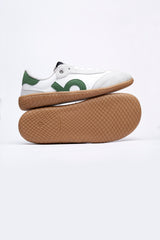
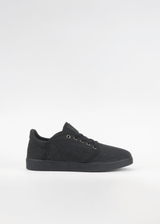
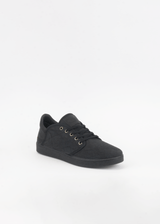
At Basq, slow fashion isn't a campaign — it's the architecture of everything we do. Our collection is deliberately small: each model is designed to be worn season after season, not replaced next spring. We use recycled tyres, plastic bottles, and bamboo because these materials genuinely reduce environmental impact, not because they look good in a press release. Our production happens within 2,000 km — in Europe, with verified labour standards — and we run on solar energy with zero water consumption in the manufacturing process.
We don't run weekly drops, we don't do countdown-timer sales, and we don't use synthetic urgency to push purchases. What we offer instead is a product made to last, from materials that carry real stories — the waves at Mundaka, the swells at Hossegor, the surf breaks that shaped Basque culture.
If you want to understand what we stand for in full, our Manifesto is the best place to start. And if you're ready to start building a slower, more intentional wardrobe, the collection is waiting for you.